
Teach, Preach, and Heal
We are not observers of what Jesus did; we are participants in this Kingdom mission. We are to go and do the same: teach, preach, and heal. This is the Great Commission.
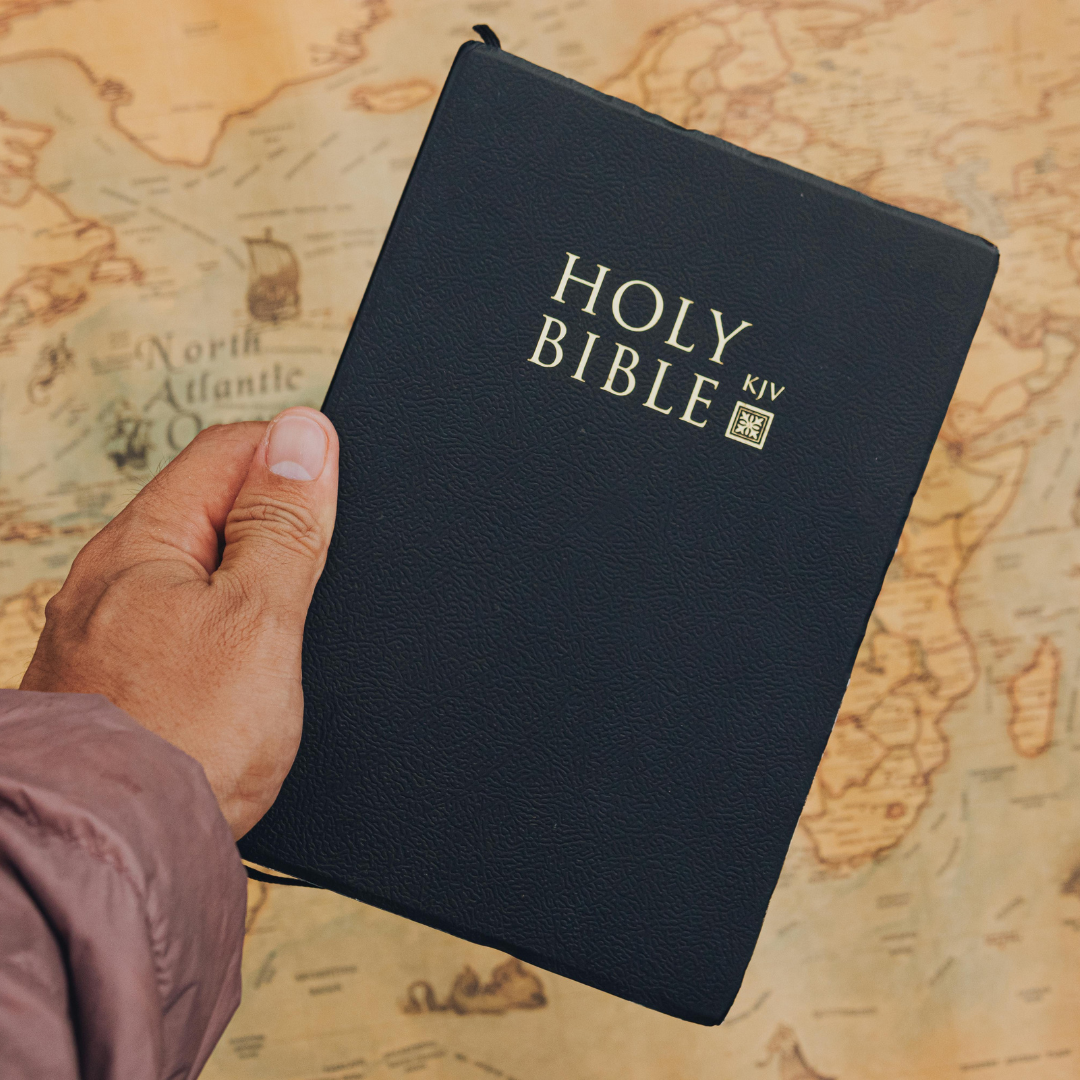
"And Jesus went about all Galilee, teaching in their synagogues, preaching the gospel of the kingdom, and healing all kinds of sickness and all kinds of disease among the people." Matthew 4:23 (NKJV)
When we look at the earthly ministry of Jesus, a clear and consistent pattern emerges across the Gospel books. Everything He did was intentional, and three activities sat at the very heart of His mission:
Teaching the Word
Preaching the Gospel of the Kingdom
Healing the Sick
This wasn't a coincidence or a matter of personal preference. These three pillars represented God's complete response to humanity's greatest needs: spiritual ignorance, separation from God, and physical suffering.
The writers of Matthew, Mark, and Luke repeatedly draw attention to these three activities:
Matthew 12:9 - "Now when He had departed from there, He went into their synagogue."
Matthew 13:54 - "When He had come to His own country, He taught them in their synagogue, so that they were astonished and said, 'Where did this Man get this wisdom and these mighty works?'"
Mark 1:14 - "Now after John was put in prison, Jesus came to Galilee, preaching the gospel of the kingdom of God."
Mark 1:21 - "Then they went into Capernaum, and immediately on the Sabbath He entered the synagogue and taught."
Mark 1:39 - "And He was preaching in their synagogues throughout all Galilee, and casting out demons."
Mark 6:2 - "And when the Sabbath had come, He began to teach in the synagogue. And many hearing Him were astonished, saying, 'Where did this Man get these things? And what wisdom is this which is given to Him, that such mighty works are performed by His hands!'"
Luke 4:15 - "And He taught in their synagogues, being glorified by all."
Luke 8:1 - "Now it came to pass, afterward, that He went through every city and village, preaching and bringing the glad tidings of the kingdom of God."
Luke 13:10 - "Now He was teaching in one of the synagogues on the Sabbath."
Luke 20:1 - "Now it happened on one of those days, as He taught the people in the temple and preached the gospel, that the chief priests and the scribes, together with the elders, confronted Him."
The repetition is deliberate. God wants us to see the rhythm of Jesus' ministry so clearly that we cannot mistake it.
Teaching the Word: Revealing the Father's Plan
When Jesus taught in the synagogues, He was unveiling the grand redemptive plan of the Father; a plan hidden in plain sight within the Tanakh, the Hebrew Scriptures the Jewish people already possessed. He opened their eyes to see that the Law, the Psalms, and the Prophets all pointed to one thing: the coming of the Messiah and salvation for God's people. The centrepiece of this teaching was salvation through Him alone:
"Nor is there salvation in any other, for there is no other name under heaven given among men by which we must be saved." - Acts 4:12
This truth had already been woven throughout the Old Testament. Jeremiah had prophesied a new covenant written on the heart (Jeremiah 31:31–34). Isaiah had painted a picture of a suffering servant who would bear the iniquities of His people (Isaiah 53:3–5). Jesus didn't invent a new religion; He fulfilled an ancient promise.
Preaching the Gospel: Revealing the Path to Salvation
When Jesus preached the Gospel of the Kingdom, He was calling people to act on what they had heard: to believe, to repent, and to receive the gift of God. The Gospel is not passive information. It is, as Paul writes, “the power of God to salvation for everyone who believes.”
"For I am not ashamed of the gospel of Christ, for it is the power of God to salvation for everyone who believes, for the Jew first and also for the Greek. For in it the righteousness of God is revealed from faith to faith; as it is written, 'The just shall live by faith.'" Romans 1:16-17
But faith is the means by which one receives salvation. Without it, God's plan remains inactive in a person's life. This is why preaching matters; it presents the truth and invites a decision: "Believe on the Lord Jesus Christ, and you will be saved, you and your household." - Acts 16:31. And this pattern was established long before the cross: "Abraham believed God, and it was accounted to him for righteousness" (Genesis 15:6). Faith has always been the currency of the Kingdom.
Romans 10:9–10 says, "That if you confess with your mouth the Lord Jesus and believe in your heart that God has raised Him from the dead, you will be saved. For with the heart one believes unto righteousness, and with the mouth confession is made unto salvation."
Healing the Sick: Revealing the Will of God
When Jesus healed, He was revealing something about the character and will of God for His people. Healing was not incidental to the Gospel; it was part of it.
"Then His fame went throughout all Syria; and they brought to Him all sick people who were afflicted with various diseases and torments, and those who were demon-possessed, epileptics, and paralytics; and He healed them." - Matthew 4:24
Notice the word all. Jesus did not heal some. He healed all who came to Him. There is no record of Jesus turning a sick person away, telling them their sickness was God's will, or suggesting they needed to suffer a little longer for character development. He healed them.
Why? Because sickness is not from God. It is a consequence of the fall, a tool of the enemy, and something Jesus came specifically to destroy:
Acts 10:38 says, "How God anointed Jesus of Nazareth with the Holy Spirit and with power, who went about doing good and healing all who were oppressed by the devil, for God was with Him."
Sickness is described here as oppression by the devil, not as a gift from God. And Jesus, anointed with the Holy Spirit and power, went about doing good by destroying it.
Matthew reaches back to Isaiah to explain the theological basis for Jesus' healing ministry:
"When evening had come, they brought to Him many who were demon-possessed. And He cast out the spirits with a word, and healed all who were sick, that it might be fulfilled which was spoken by Isaiah the prophet, saying: 'He Himself took our infirmities and bore our sicknesses.'" - Matthew 8:16–17
And Peter later wrote, "Who Himself bore our sins in His own body on the tree, that we, having died to sins, might live for righteousness - by whose stripes you were healed." 1 Peter 2:24
Just as it is not acceptable for believers to remain in willful sin – because sin was dealt with at the cross – sickness, too, was carried by Jesus to Calvary. The cross was not a partial redemption. It was total. Just as sin was nailed to that cross, so was sickness. The finished work of Christ covers both.
What This Means for Us Today
It would be a mistake to read the Gospels and conclude that teaching, preaching, and healing were unique to Jesus alone. He never intended to be the only one doing these things. From the beginning, He was modelling what His followers would continue after Him. He sent out the twelve with clear instructions:
"And as you go, preach, saying, 'The kingdom of heaven is at hand.' Heal the sick, cleanse the lepers, raise the dead, cast out demons. Freely you have received, freely give." - Matthew 10:7-8
And before His ascension, He expanded that commission to every believer in every generation:
"Go therefore and make disciples of all the nations, baptizing them in the name of the Father and of the Son and of the Holy Spirit, teaching them to observe all things that I have commanded you." - Matthew 28:19–20
"Go into all the world and preach the gospel to every creature... And these signs will follow those who believe: In My name they will cast out demons; they will speak with new tongues... they will lay hands on the sick, and they will recover." - Mark 16:15, 17–18
"But you shall receive power when the Holy Spirit has come upon you; and you shall be witnesses to Me in Jerusalem, and in all Judea and Samaria, and to the end of the earth." - Acts 1:8
God does not ask us to do what He has not already shown us how to do. Jesus modelled the ministry. He commissioned His followers to carry it forward. The ministry of Jesus was not random. It was a carefully demonstrated pattern that the Father intended His Church to continue: to teach the Word, to preach the Gospel, and to heal the sick. Each one matters. Each one is still needed. The world still hungers for truth, still needs to hear the Good News, and is still desperate for healing – spirit, soul, and body. We are not observers of what Jesus did; we are participants in this Kingdom mission. We are to go and do the same: teach, preach, and heal. This is the Great Commission.


-YX498vOEvBTDMbOK.png)
-YX498vOEvBTDMbOK.png)
-YannNl4R0EIaoeOk.png)
-YannNl4R0EIaoeOk.png)
-AR0zZR1ZERC46LxB.png)
-AR0zZR1ZERC46LxB.png)